

Ransomware-as-a-Service
One of the best-known variants of MaaS is Ransomware-as-a-Service (RaaS). With this, developers present their malware to other criminals, so-called "affiliates," in exchange for a share of the extorted ransom money.
In a ransomware attack, cybercriminals take control of a device and encrypt the data that is stored on it. They then demand a ransom for their release.
For example, they can acquire access to a botnet – in other words, a network of hijacked devices through which the malware can spread. For a fee, the criminals can obtain a personal account from which they can direct the attack. Additionally, they can rely on the technical support offered by the operators.
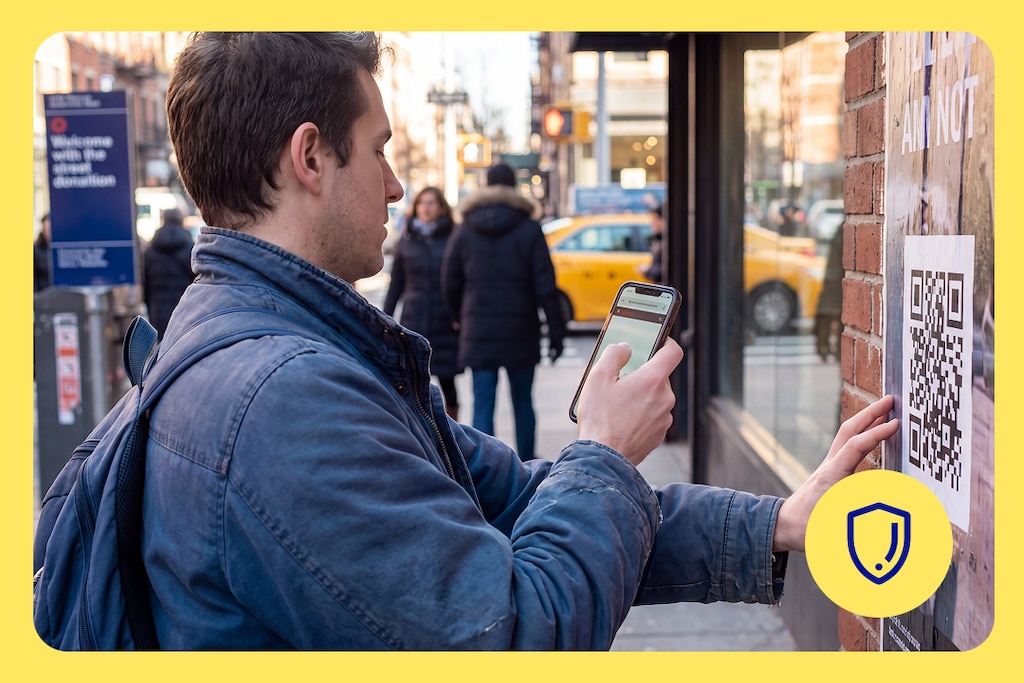
Similar models are also available for phishing, as there is a form of social engineering that involves renting ready-made phishing kits.
Your security comes first
How can you protect yourself from MaaS attacks?
To reduce the risk of a cyberattack, the following measures should be performed. These make it more difficult for cybercriminals and protects digital information and devices from malware:
Use an antivirus program
Install reliable security software on all devices and keep it active.
Perform updates
Keep your operating system, apps, and web browser up to date.
Use official sources
Only install apps from official stores and do not download programs from unknown websites.
Be careful with emails
Do not click on suspicious links and do not download attachments from unknown senders. Only enter sensitive data at trusted websites
Back up your files regularly
Create backup copies of important files. These should be stored outside your computer (e.g., on an external hard drive or in the cloud).
Make your cloud secure
Always protect your cloud access with two-factor authentication (2FA).
Act quickly in an emergency
In the event of a ransomware attack, immediately disconnect the affected device from the network to keep the attack from spreading further.
You can find more information at the Federal Office for Information Security (BSI). Here you will find information and assistance for optimally protecting your data and systems every day.

More than 84 million people worldwide trust us with their banking. Join us!
Open your BBVA current account in just a few minutes, top it up and use it immediately.
Others also found interesting
-
What is malware?
Learn what types of malware exist, how malware gets on your devices and how you can effectively protect yourself with simple measures.